
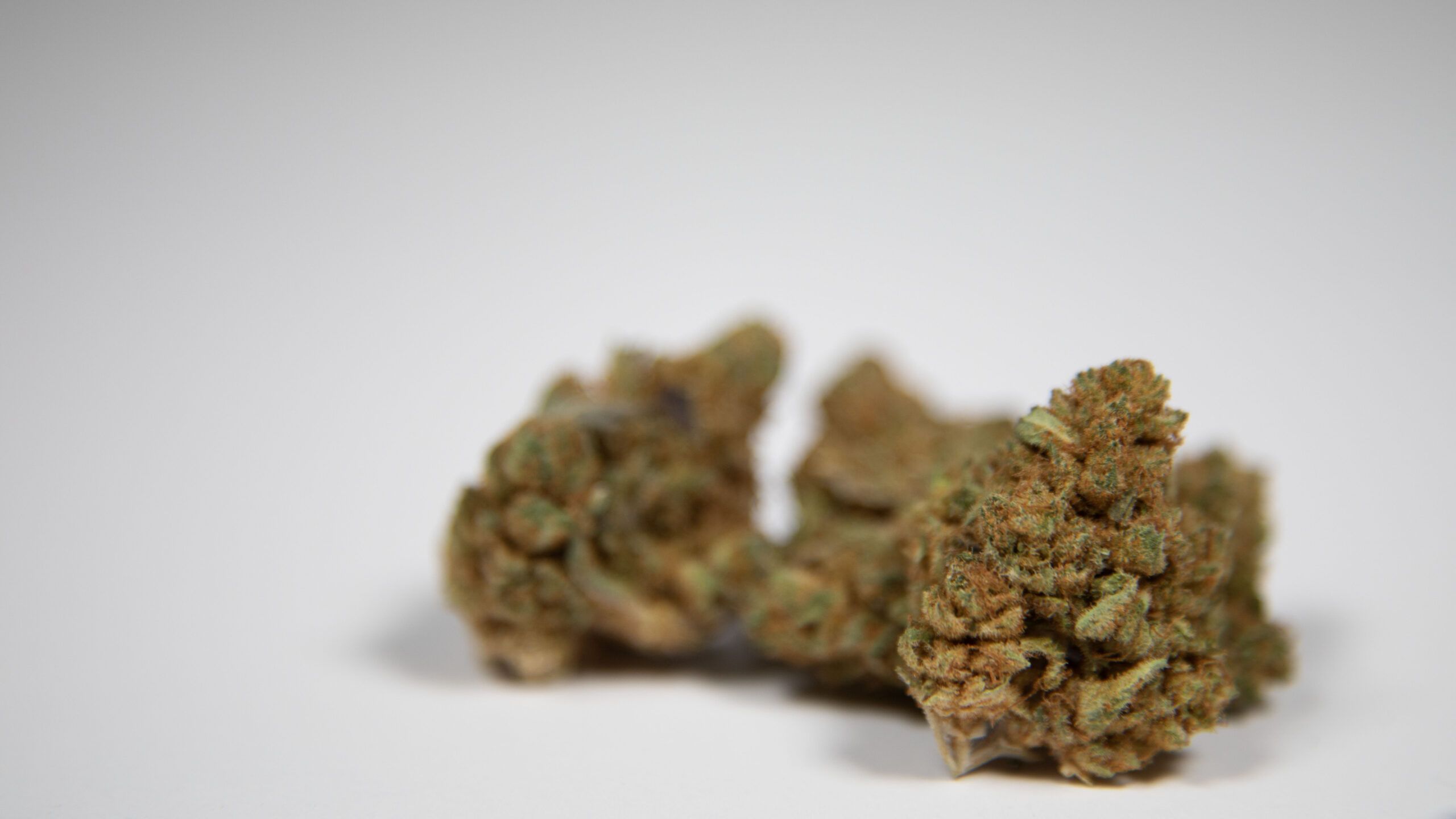
Muscle spasms can range from mild cramps to chronic and painful muscle contractions that interfere with sleep, mobility, and overall quality of life. Conditions such as multiple sclerosis (MS), spinal cord injuries, and chronic pain syndromes are commonly associated with muscle spasticity and involuntary muscle tightness. As interest in alternative therapies grows, many consumers are exploring medical cannabis for muscle spasms and muscle spasm relief as a potential option for symptom management [1].
Studies and medical reviews have reported promising results for cannabis and spasticity, particularly in patients with MS-related muscle spasms and chronic pain conditions [2]. Medical cannabis products containing THC and CBD may help reduce spasticity symptoms in some individuals, although healthcare experts recommend consulting a qualified healthcare professional before use, especially when combining cannabis with prescription medications [3][4].
Understanding Muscle Spasms
Muscle spasms are sudden, involuntary contractions that can cause stiffness, cramping, twitching, or pain. While occasional muscle cramps are common after exercise or dehydration, chronic muscle spasticity is often linked to neurological or musculoskeletal conditions that affect nerve communication and muscle control. Common causes of persistent muscle spasms include multiple sclerosis (MS), spinal cord injuries, cerebral palsy, sports-related injuries, and chronic pain disorders [5].
In many cases, muscle spasms can interfere with mobility, sleep quality, physical activity, and overall daily functioning, leading some individuals to seek alternative therapies such as cannabis for muscle spasm relief and chronic pain management [6]. Researchers continue exploring how cannabinoids like THC and CBD may help reduce muscle tension, inflammation, and discomfort associated with these conditions [7][8].
How Cannabis May Help Relieve Muscle Spasms
Cannabis may help relieve muscle spasms by interacting with the body’s endocannabinoid system (ECS), which plays a role in regulating pain perception, inflammation, muscle control, and nervous system function. Compounds found in cannabis, particularly tetrahydrocannabinol (THC) and cannabidiol (CBD), may influence cannabinoid receptors in ways that help reduce muscle spasticity, discomfort, and inflammation associated with neurological and musculoskeletal conditions [1].
THC has been studied for its potential muscle-relaxing and pain-relieving effects, especially in patients with multiple sclerosis (MS) and spinal cord injuries, while CBD may contribute anti-inflammatory and calming properties without producing intoxicating effects [9]. Some consumers report that cannabis for muscle spasm relief may help improve sleep quality, mobility, and overall comfort when traditional medications have provided limited results [2]. However, experts note that more clinical research is still needed to better understand the long-term safety and effectiveness of medical cannabis for muscle spasms [10].
Learn More: The Difference Between THC and CBD
Research and Medical Evidence
Research on cannabis for muscle spasms has expanded significantly over the past two decades, particularly in relation to MS-related spasticity and chronic neurological conditions. Several clinical studies and systematic reviews have found that cannabinoid-based therapies may help reduce muscle stiffness, pain, and involuntary muscle contractions in some patients who do not respond well to conventional treatments [3]. One of the most widely studied cannabis-based medications is nabiximols (Sativex), an oral spray containing both THC and CBD that has been approved in several countries outside the United States for the treatment of MS-related spasticity [11].
Medical researchers believe cannabinoids may help regulate abnormal nerve signaling and muscle hyperactivity through interactions with the endocannabinoid system. Patient-reported outcomes from observational studies have also suggested improvements in sleep quality, mobility, and overall comfort among individuals using medical cannabis for muscle spasm relief and chronic pain management [2]. However, health experts caution that research findings remain mixed in some areas, and additional large-scale clinical trials are still needed to determine optimal dosing, long-term safety, and effectiveness across different medical conditions [12].
Best Cannabis Products and Consumption Methods
Consumers using cannabis for muscle spasm relief have access to a variety of products and consumption methods, each offering different onset times, effects, and durations. Inhaled cannabis products, including dried flower and vape cartridges, are commonly chosen for faster symptom relief because cannabinoids enter the bloodstream quickly through the lungs [13]. Edibles, capsules, and tinctures are often preferred for longer-lasting effects and more controlled dosing, making them popular options for chronic muscle pain and nighttime symptom management [14].
CBD-dominant products may appeal to consumers seeking potential anti-inflammatory and muscle-relaxing benefits without strong psychoactive effects, while THC-containing products are more commonly associated with pain relief and reduced muscle tension [10]. Some individuals also use cannabis topicals, such as creams and balms, for localized discomfort and muscle soreness. Medical professionals generally recommend starting with low doses and choosing lab-tested cannabis products from licensed dispensaries to reduce the risk of overconsumption or inconsistent cannabinoid potency [1].
Learn More: What Is the Difference Between Cannabis Flower, Concentrates, and Edibles?
Risks, Side Effects, and Safety Considerations
While cannabis for muscle spasm relief may provide benefits for some consumers, it is important to understand the potential risks and side effects associated with cannabis use. Common side effects of THC-containing cannabis products may include drowsiness, dry mouth, dizziness, impaired coordination, increased heart rate, and temporary cognitive impairment [13]. Higher doses of THC may also increase the risk of anxiety, confusion, or unwanted psychoactive effects, particularly in inexperienced users or individuals sensitive to cannabinoids [15].
Medical experts also warn that cannabis can interact with certain prescription medications, including sedatives, antidepressants, blood thinners, and pain medications. Because responses to medical cannabis can vary based on dosage, cannabinoid potency, health conditions, and method of consumption, healthcare professionals recommend starting with low doses and consulting a physician before using cannabis for chronic muscle pain or muscle spasms [10]. Consumers should also be aware that cannabis laws differ by state, and only lab-tested products from licensed dispensaries should be used to help ensure product safety, labeling accuracy, and cannabinoid consistency [16].
In Summary
Cannabis for muscle spasm relief continues to gain attention among medical patients and recreational consumers seeking alternative ways to manage chronic muscle tension, pain, and spasticity. Research suggests that cannabinoids such as THC and CBD may help reduce muscle discomfort and improve quality of life for some individuals, particularly those with neurological conditions like multiple sclerosis and chronic pain disorders [2]. However, experts emphasize that medical cannabis for muscle spasms affects each person differently, making responsible use and consultation with a qualified healthcare professional important for safety and effectiveness [10][12].
References
- [1] National Institutes of Health (NIH) – The Health Effects of Cannabis and Cannabinoids https://www.ncbi.nlm.nih.gov/books/NBK425767/
- [2] PubMed Central – Cannabinoids for Spasticity in Patients With Multiple Sclerosis https://pmc.ncbi.nlm.nih.gov/articles/PMC11536376/
- [3] JAMA – Cannabinoids for Medical Use: A Systematic Review and Meta-analysis https://jamanetwork.com/journals/jama/fullarticle/2338251
- [4] National Center for Complementary and Integrative Health (NCCIH) – Multiple Sclerosis and Complementary Health Approaches https://www.nccih.nih.gov/health/providers/digest/multiple-sclerosis-and-complementary-health-approaches-science
- [5] Cleveland Clinic – Muscle Spasms: Causes, Symptoms and Treatment https://my.clevelandclinic.org/health/diseases/15466-muscle-spasms
- [6] National Multiple Sclerosis Society – Spasticity https://www.nationalmssociety.org/Symptoms-Diagnosis/MS-Symptoms/Spasticity
- [7] Johns Hopkins Medicine – Muscle Spasticity https://www.hopkinsmedicine.org/health/conditions-and-diseases/muscle-spasticity
- [8] PubMed Central – Cannabinoids for Spasticity in Patients With Multiple Sclerosis https://pmc.ncbi.nlm.nih.gov/articles/PMC11536376/
- [9] Harvard Health Publishing – CBD and Medical Marijuana: What the Research Says https://www.health.harvard.edu/blog/cbd-and-medical-marijuana-what-the-research-says-2021010621747
- [10] National Center for Complementary and Integrative Health (NCCIH) – Cannabis (Marijuana) and Cannabinoids: What You Need To Know https://www.nccih.nih.gov/health/cannabis-marijuana-and-cannabinoids-what-you-need-to-know
- [11] Multiple Sclerosis News Today – Sativex and MS Spasticity https://multiplesclerosisnewstoday.com/sativex/
- [12] National Academies of Sciences – The Health Effects of Cannabis and Cannabinoids: The Current State of Evidence and Recommendations for Research https://nap.nationalacademies.org/catalog/24625/the-health-effects-of-cannabis-and-cannabinoids-the-current-state
- [13] Centers for Disease Control and Prevention (CDC) – Cannabis and Public Health https://www.cdc.gov/cannabis/index.htm
- [14] Harvard Health Publishing – Medical Marijuana https://www.health.harvard.edu/blog/medical-marijuana-2018011513085
- [15] National Institute on Drug Abuse (NIDA) – Marijuana Research Report https://nida.nih.gov/publications/research-reports/marijuana
- [16] U.S. Food and Drug Administration (FDA) – FDA Regulation of Cannabis and Cannabis-Derived Products https://www.fda.gov/news-events/public-health-focus/fda-regulation-cannabis-and-cannabis-derived-products-including-cannabidiol-cbd